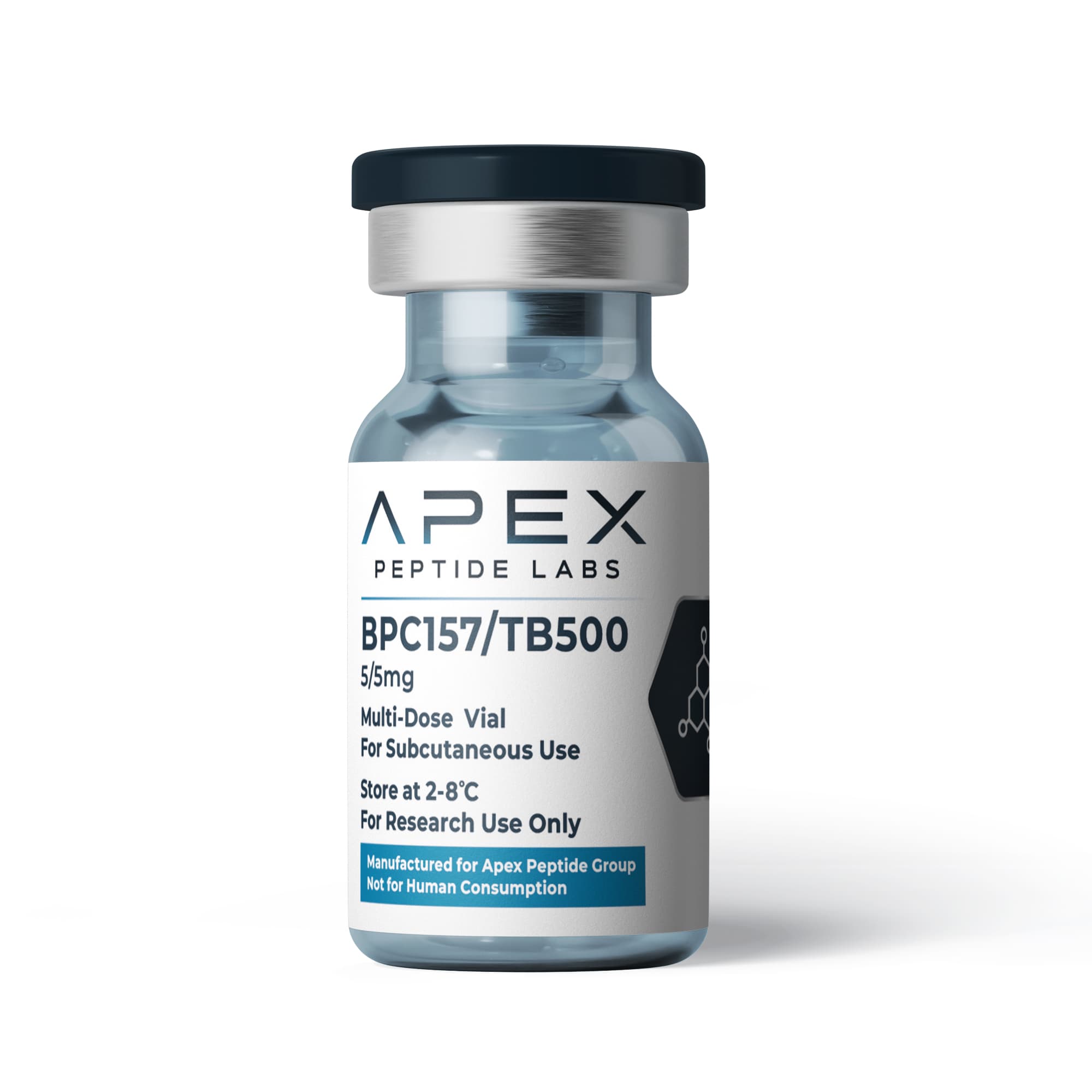
BPC-157 / TB-500
Starting at $85.00
Available specs: 5/5mg| 98%

HEALING & INJURY RECOVERY
A Synthetic Peptide Studied for Cellular Migration and Tissue Regeneration Pathways
SIZE
CHOOSE YOUR PACK
SPEC
DETAIL
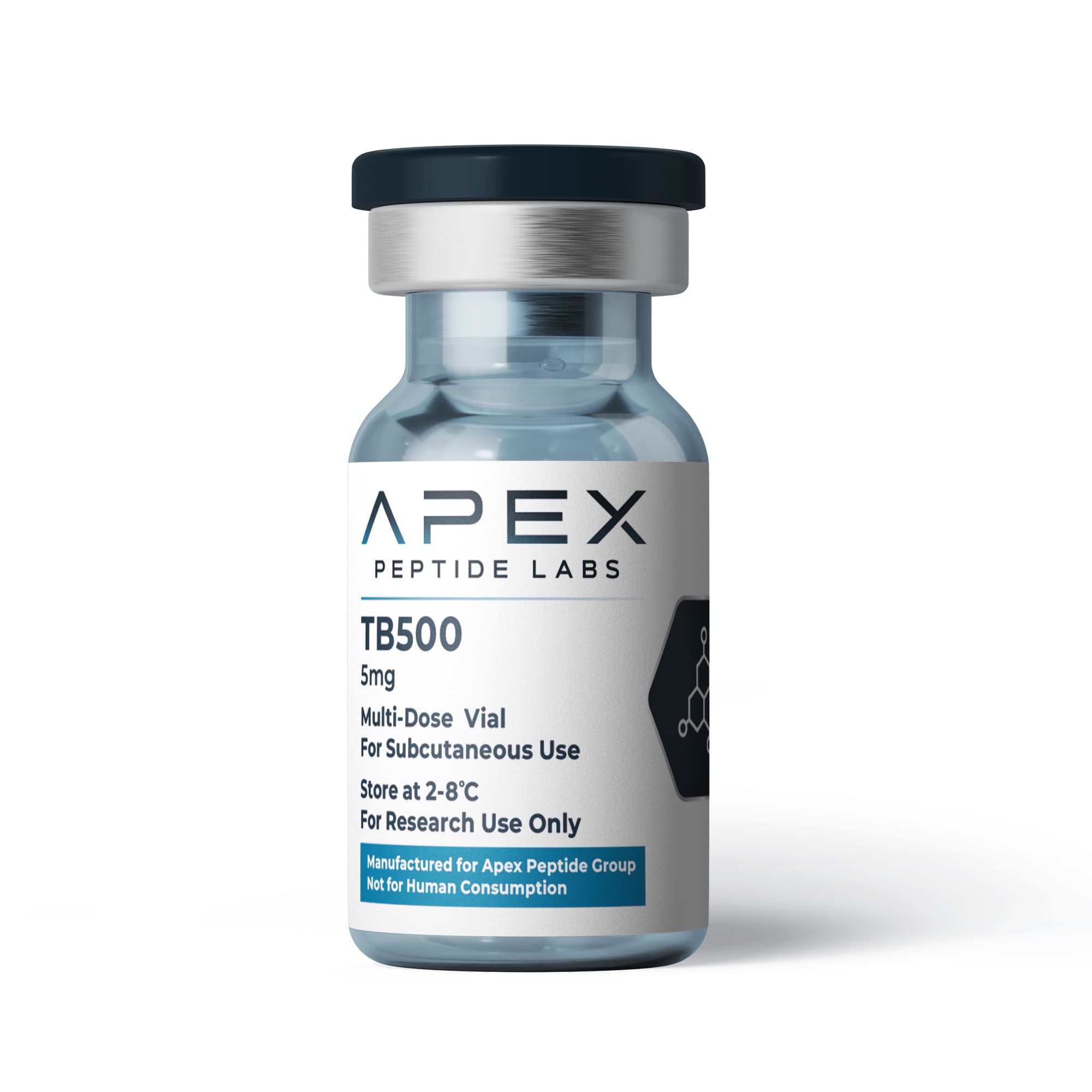
TB-500 is a synthetic peptide fragment derived from a naturally occurring protein known as Thymosin Beta-4, a molecule found in many tissues throughout the body. Thymosin Beta-4 plays a role in cellular migration, actin regulation, and tissue repair processes.
TB-500 represents a shorter peptide fragment designed for experimental research exploring how thymosin-related peptides influence cellular repair and regeneration pathways.
Researchers are particularly interested in how TB-500 interacts with cytoskeletal proteins that regulate cell movement. Cellular migration is an important component of wound repair, tissue regeneration, and immune system function.
Because of these properties, TB-500 has been studied in experimental models investigating tissue repair mechanisms, angiogenesis, and cellular recovery processes.
| Peptide Name | TB-500 |
|---|---|
| Derived From | Thymosin Beta-4 |
| Amino Acid Length | Fragment peptide |
| Peptide Class | Synthetic thymosin peptide fragment |
| Research Focus | Cellular migration and tissue repair |
Scientific research suggests that peptides derived from Thymosin Beta-4 may influence biological pathways involved in cell migration and tissue repair.
Actin Regulation
Actin is a structural protein that plays an essential role in cell movement and shape. Thymosin-related peptides may interact with actin dynamics.
Cell migration is necessary for wound repair and tissue regeneration. TB-500 has been studied in experimental models investigating these processes.
Angiogenesis
Researchers also study whether thymosin-derived peptides influence blood vessel formation pathways.
[Study reference: Annals of the New York Academy of Sciences]
Scientists study TB-500 to explore cellular repair pathways associated with tissue regeneration.
Musculoskeletal Research
Experimental research examines how peptides influence muscle, tendon, and connective tissue biology.
Researchers investigate how actin regulation influences cell movement and repair processes.
RELATED