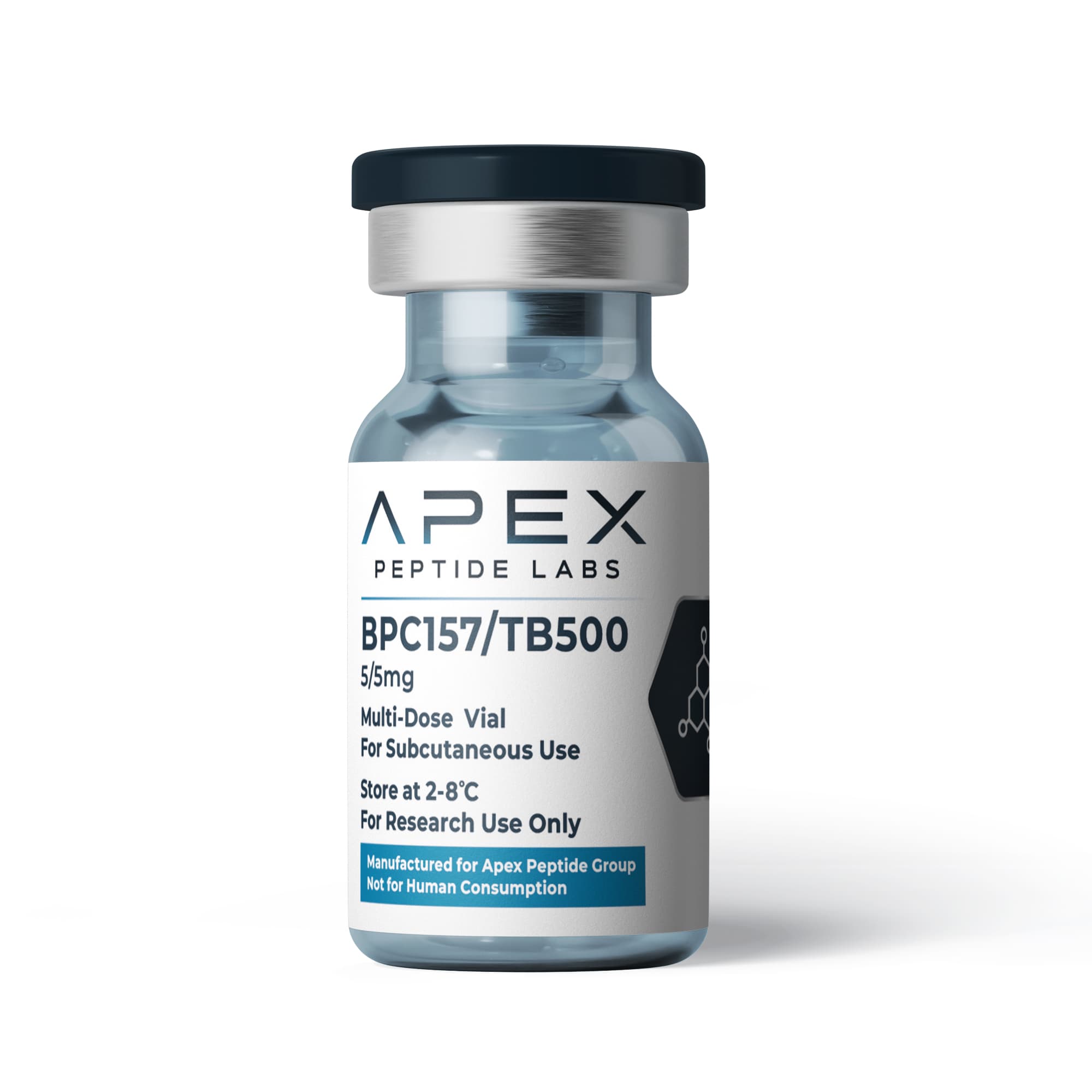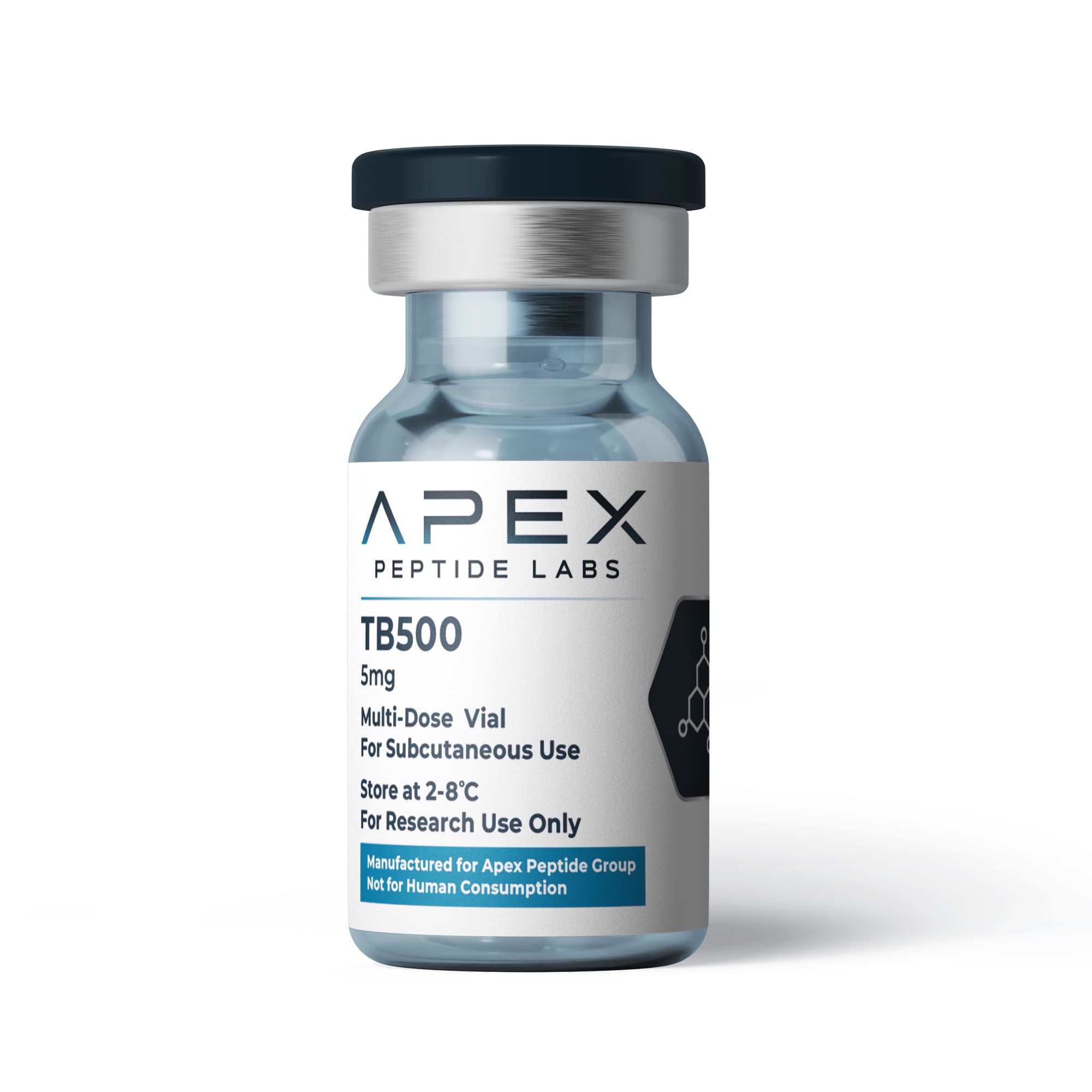
TB-500
Starting at $55.00
Available specs: 5mg| 98%

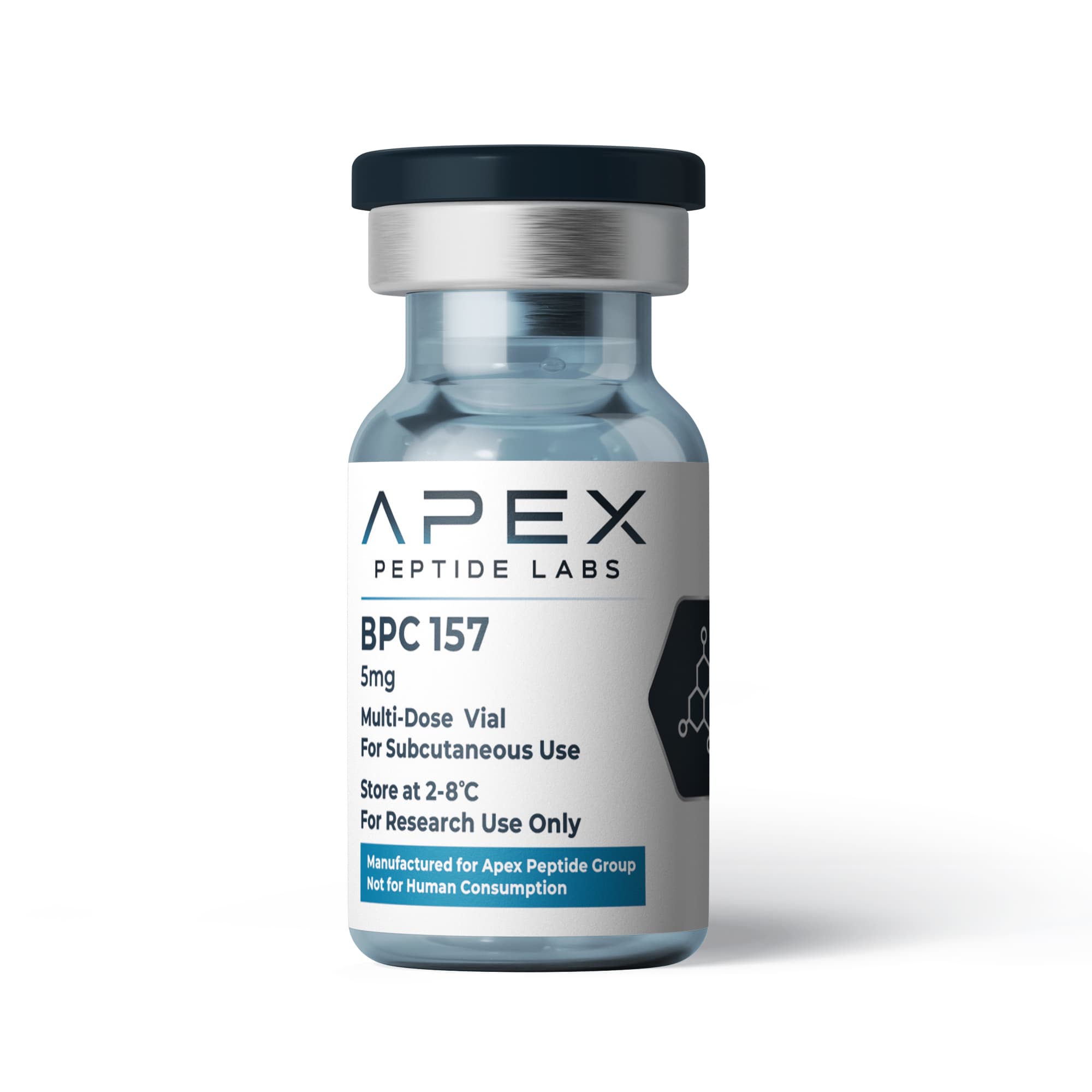
HEALING & INJURY RECOVERY
A Gastric-Derived Peptide Studied for Tissue Repair and Cellular Protection Pathways
SIZE
CHOOSE YOUR PACK
SPEC
DETAIL
| Peptide Name | BPC-157 |
|---|---|
| Amino Acid Length | 15 amino acids |
| Peptide Class | Synthetic gastric peptide fragment |
| Molecular Weight | ~1419 Daltons |
| Origin | Derived from Body Protection Compound |
| Research Focus | Tissue repair and cellular signaling |
BPC-157 is composed of a sequence of 15 amino acids that originates from a naturally occurring protein found in gastric fluid. Researchers isolated this peptide fragment while studying the biological activity of gastric peptides involved in protective mechanisms within the digestive system.
One of the distinguishing characteristics of BPC-157 is its stability in biological environments, which allows it to remain active during experimental studies. Many peptides degrade quickly in biological systems, but BPC-157 appears to demonstrate unusual resistance to enzymatic breakdown in laboratory models.
Because of this stability, researchers often use BPC-157 to explore how peptides interact with cellular repair signaling pathways.
Although the precise biological mechanisms of BPC-157 are still being investigated, scientific literature suggests several pathways that may be involved.
Angiogenesis Signaling
Some research indicates that BPC-157 may interact with pathways that regulate blood vessel formation. Angiogenesis is an important component of tissue repair and regeneration.
Nitric Oxide Pathways
Certain studies suggest the peptide may interact with nitric oxide signaling systems involved in vascular function and cellular communication.
Growth Factor Signaling
Researchers are investigating whether BPC-157 influences growth factor pathways involved in tissue regeneration.
[Study reference: Journal of Physiology and Pharmacology, 2014]
Researchers study BPC-157 to better understand how peptides influence cellular repair mechanisms in various tissues.
Musculoskeletal Research
Some studies investigate how peptide signaling may influence tendon, ligament, and muscle tissue biology.
Vascular Biology
Because angiogenesis plays a role in tissue repair, scientists also examine how peptides interact with vascular signaling pathways.
Gastrointestinal Research
Given its origin from gastric peptides, BPC-157 has also been studied in research related to gastrointestinal physiology.
Experimental research has investigated the peptide’s interaction with tissue repair signaling pathways.
[Study reference: Regulatory Peptides Journal]
Additional laboratory studies have examined how peptide signaling molecules influence cellular recovery processes.
[Study reference: Journal of Orthopedic Research]
Researchers are investigating whether BPC-157 may influence:
Because most research has been conducted in laboratory or animal models, long-term safety data remains limited.
Scientific literature commonly notes:
BPC-157 remains an investigational research peptide. Current knowledge is derived primarily from laboratory studies and experimental research models.
Further controlled scientific investigation will be required to better understand its biological activity.
RELATED