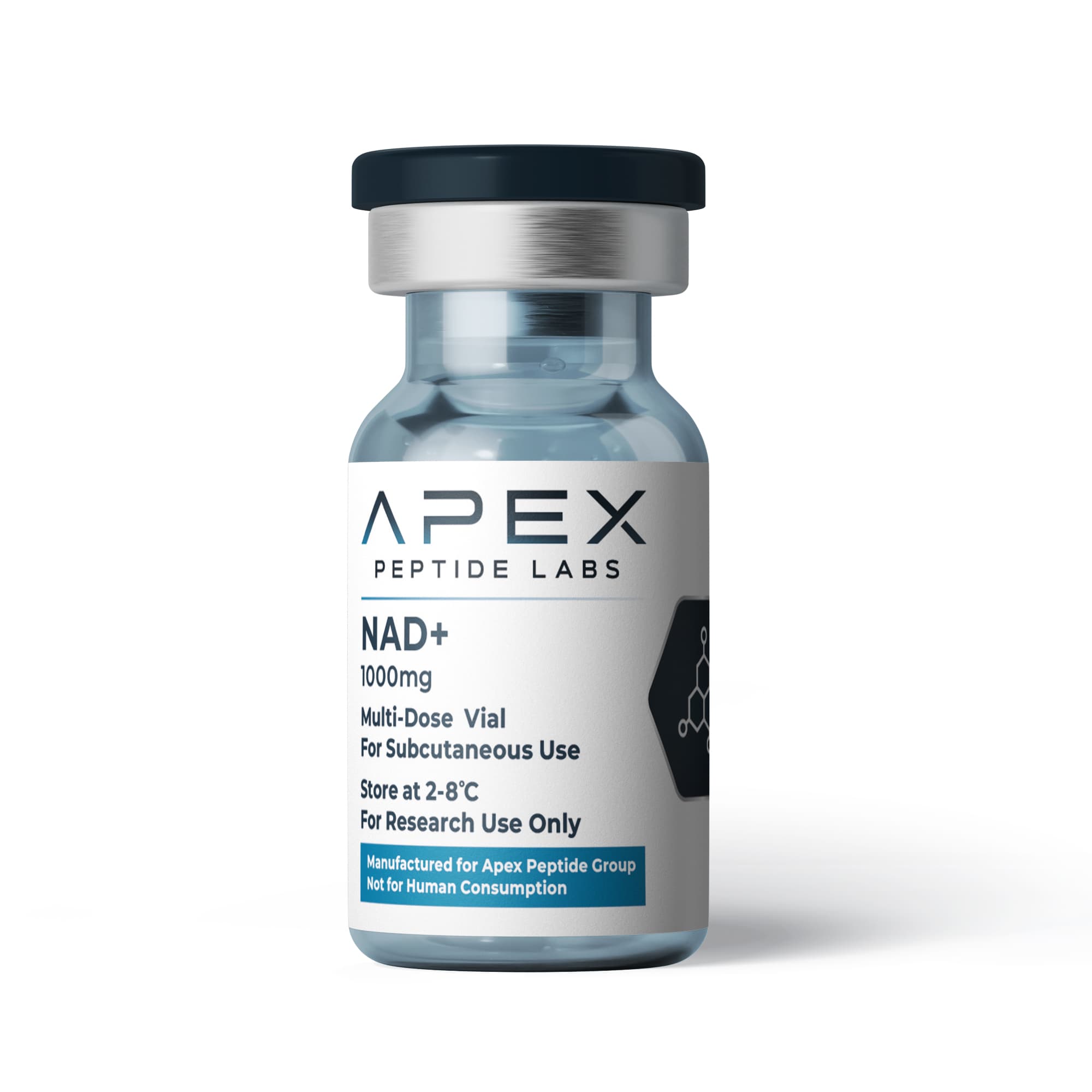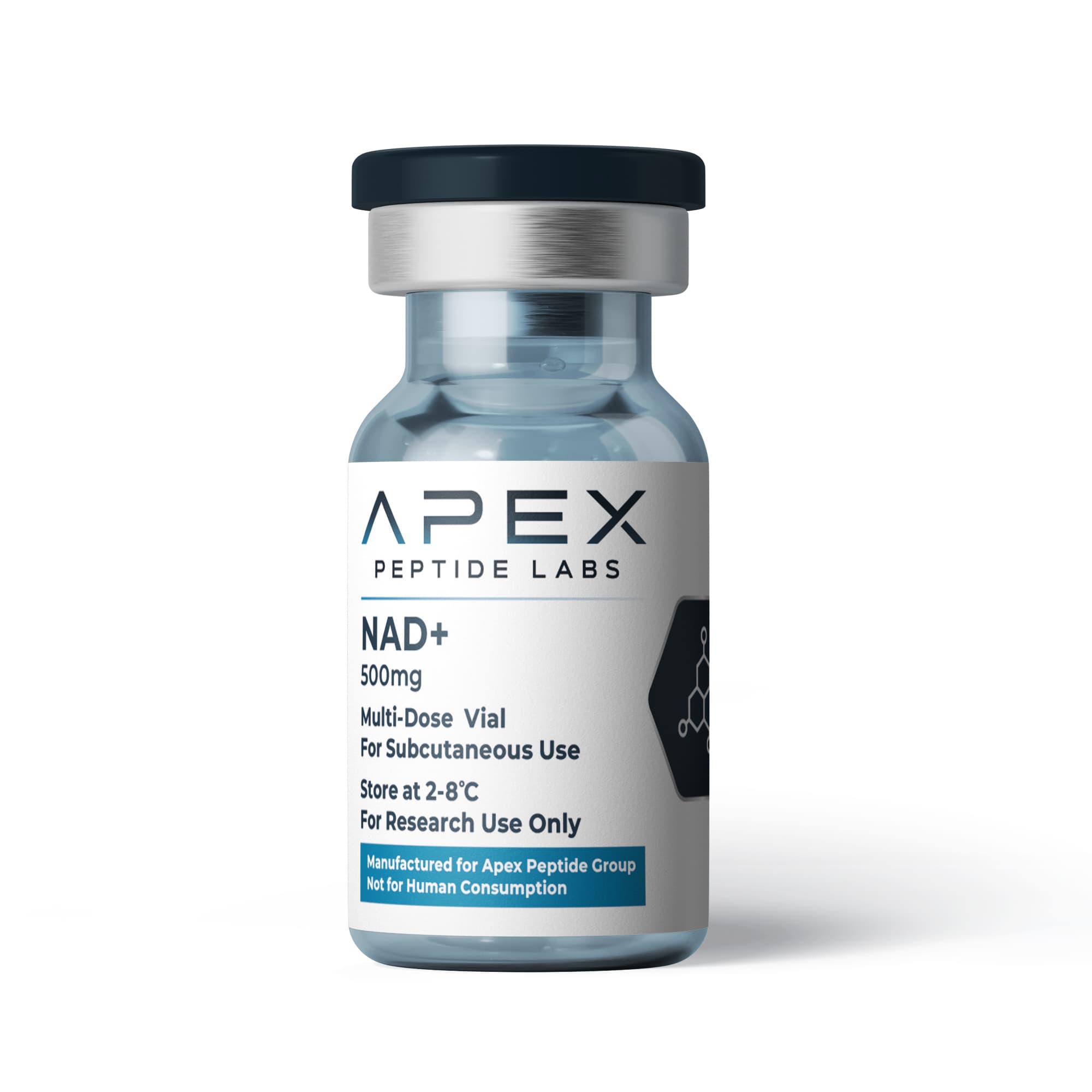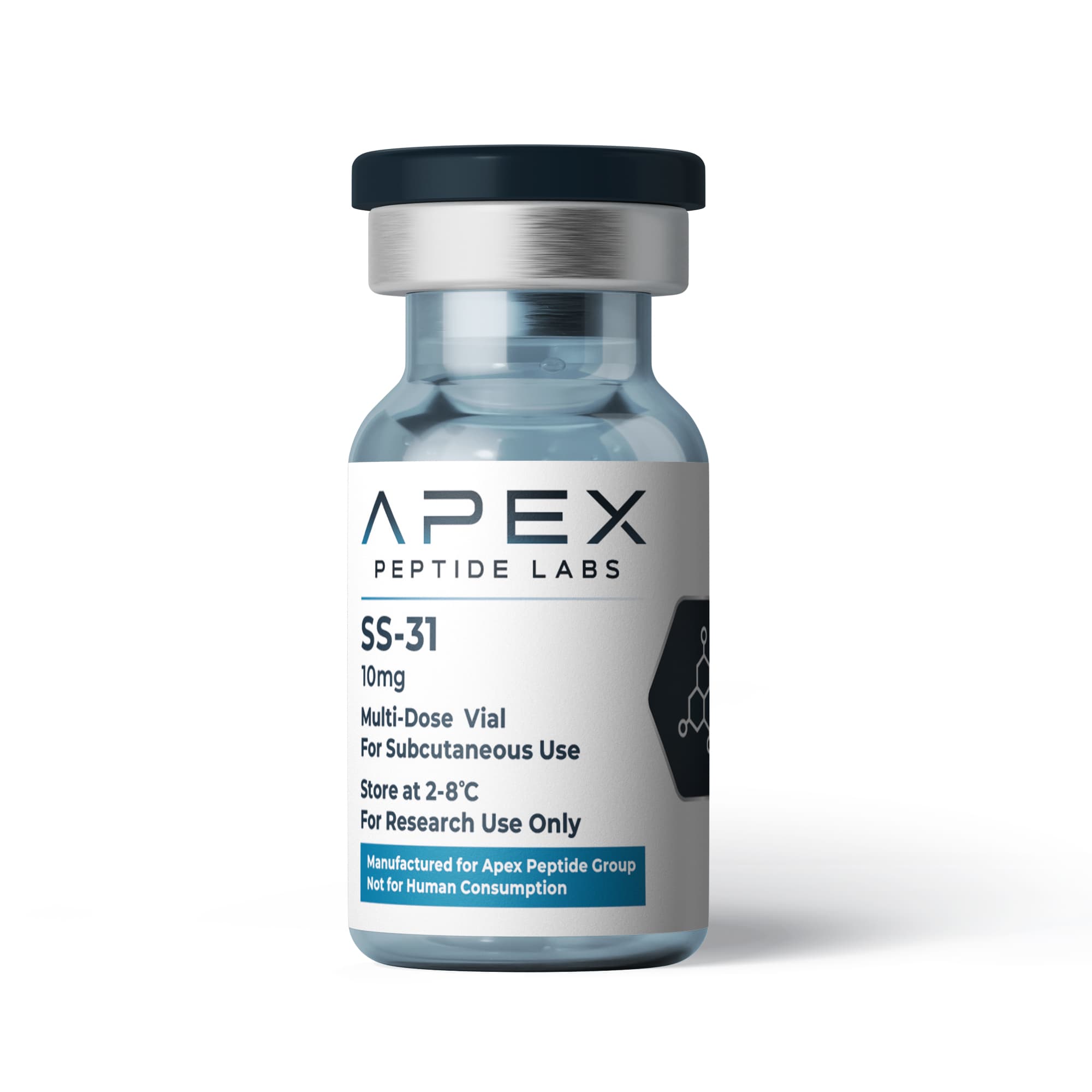
SS-31
Starting at $45.00
Available specs: 10mg| 98%


LONGEVITY & CELLULAR HEALTH
A Peptide Studied for Cellular Aging and Telomere Biology
CHOOSE YOUR PACK
SPEC
DETAIL
Epithalon is a synthetic tetrapeptide composed of four amino acids that has been studied in research related to cellular aging and telomere biology. Telomeres are protective structures located at the ends of chromosomes that help maintain genetic stability during cell division.
Researchers study peptides like Epithalon to investigate how cellular signaling molecules influence processes associated with DNA maintenance and cellular lifespan. Telomere length has become an important area of study in aging research because telomeres gradually shorten with repeated cell division.
Scientific interest in Epithalon focuses on how peptide signaling molecules may interact with biological pathways involved in telomerase activity, cellular repair mechanisms, and age-related cellular processes.
| Peptide Name | Epithalon |
|---|---|
| Amino Acid Length | 4 amino acids |
| Peptide Class | Synthetic tetrapeptide |
| Research Focus | Telomere biology and aging research |
| Molecular Weight | ~390 Daltons |
Researchers study Epithalon for its potential interaction with biological pathways involved in telomere regulation.
Telomerase Activity
Telomerase is an enzyme responsible for maintaining telomere length during cell division.
Scientists investigate how peptide signaling may influence cellular longevity mechanisms.
Genetic Stability
Maintaining chromosome stability is an important aspect of cellular health and aging biology.
[Study reference: Mechanisms of Ageing and Development]
RELATED