
Semax
Starting at $40.00
Available specs: 10mg| 98%

COGNITIVE PERFORMANCE & MOOD
A Neuropeptide Studied for Neuroendocrine Signaling and Sleep Regulation
CHOOSE YOUR PACK
SPEC
DETAIL
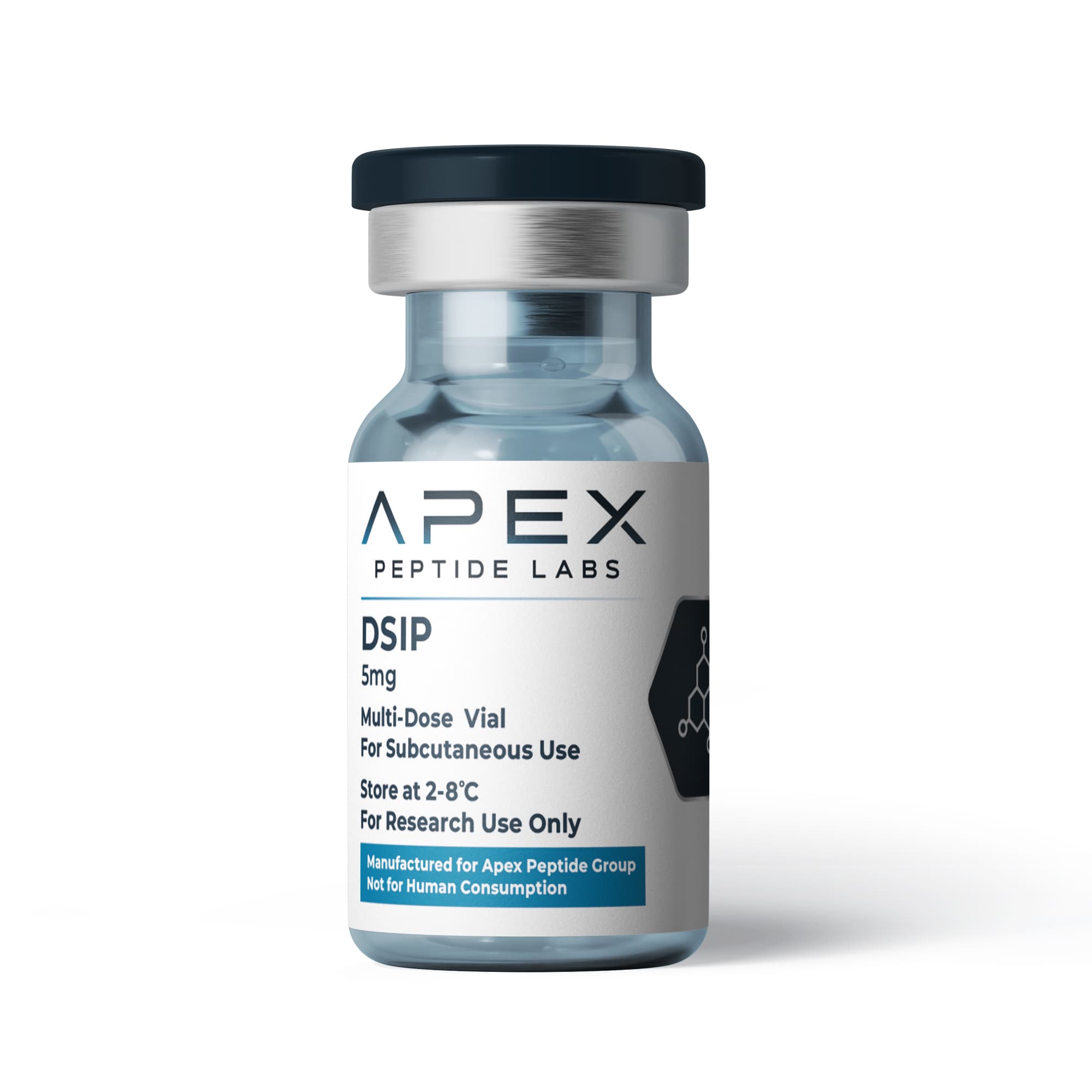
DSIP, or Delta Sleep-Inducing Peptide, is a naturally occurring neuropeptide originally identified during research investigating sleep regulation mechanisms in the brain. The peptide consists of nine amino acids and has been studied in neuroscience research related to neuroendocrine signaling and sleep physiology.
Researchers initially discovered DSIP while studying brain activity associated with slow-wave sleep patterns. Because sleep regulation involves complex interactions between neurological and hormonal signaling pathways, peptides involved in sleep-related signaling have become an area of interest in neurobiology research.
Scientists continue to investigate how neuropeptides like DSIP interact with brain signaling pathways responsible for regulating sleep cycles and neuroendocrine communication.
| Peptide Name | DSIP |
|---|---|
| Full Name | Delta Sleep-Inducing Peptide |
| Amino Acid Length | 9 amino acids |
| Peptide Class | Neuropeptide |
| Research Focus | Sleep physiology and neuroendocrine signaling |
Sleep Regulation Pathways
DSIP was originally identified in research studying slow-wave sleep patterns.
Neuroendocrine Signaling
Researchers study how neuropeptides influence communication between the nervous system and endocrine system.
Brain Signaling Networks
Scientists investigate how peptides interact with neural circuits involved in sleep physiology.
[Study reference: Neuroscience Research]
RELATED